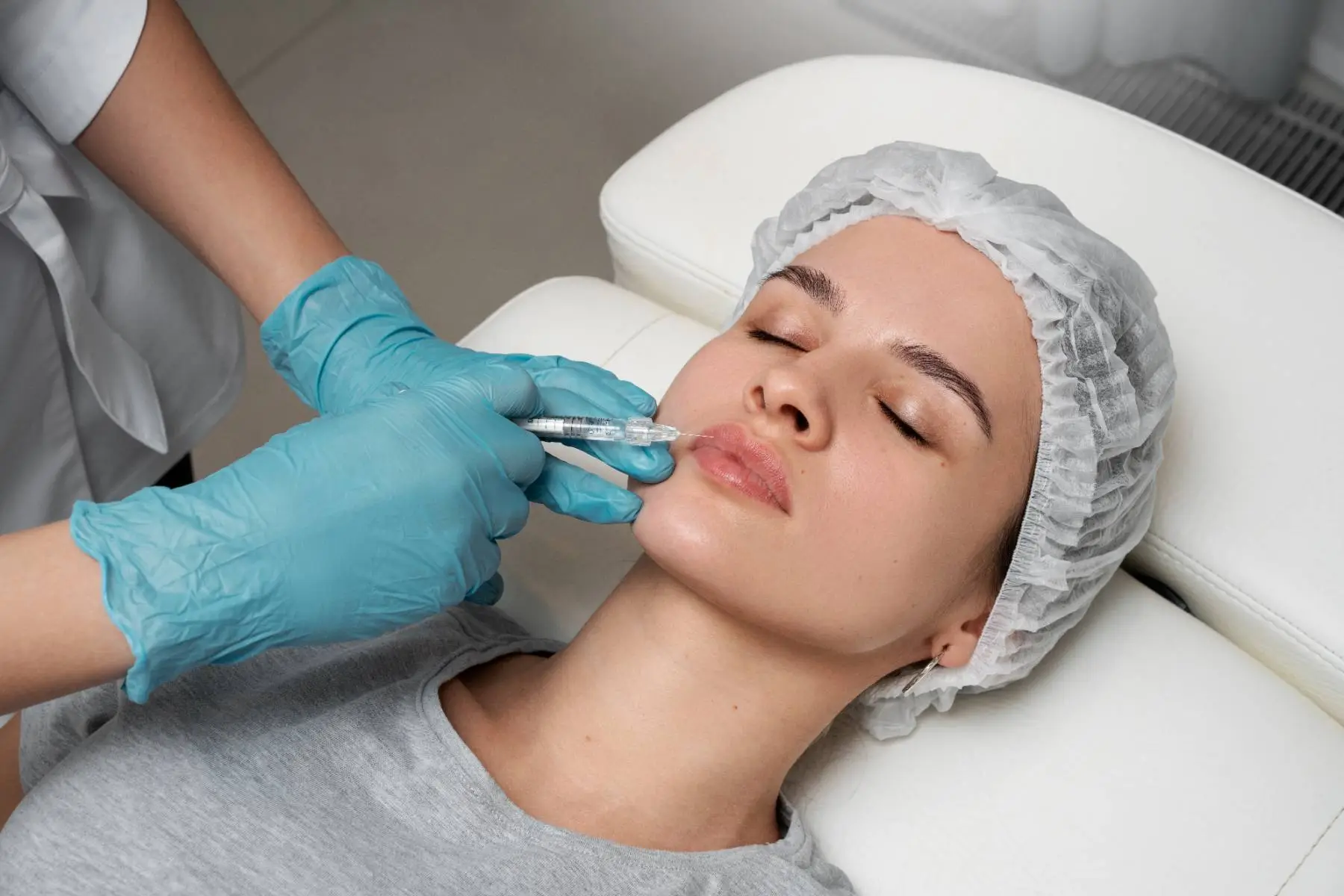
What Is Prosthodontics?
When a tooth is damaged, weakened, missing or affected by significant wear, restoring both its function and appearance requires careful planning. This is where prosthodontics plays an important role in modern dentistry.
Many patients ask what is prosthodontics and how this area of dentistry differs from other treatments they may already know. Prosthodontics focuses on the restoration and replacement of teeth, helping patients regain comfort, chewing ability and a natural-looking smile when teeth have been compromised.
Prosthodontic treatments can include solutions such as crowns, bridges, removable prostheses and complex restorative treatments designed around each patient’s individual needs. The goal is not simply to replace or cover a tooth, but to create a solution that works harmoniously with the surrounding teeth, gums, bite and facial appearance.
At Dental Excellence in Chalfont St Giles, restorative dentistry is approached with attention to precision, planning and patient needs. Dr Morteza Mazinanian has extensive experience in fixed and removable prosthodontics, implant dentistry and the management of complex restorative cases.
Understanding prosthodontics can help patients recognise when a tooth requires more than a simple repair and why a personalised treatment plan is essential for achieving a stable and functional result.
What Is Prosthodontics and What Does a Prosthodontist Do?
The simplest answer to what is prosthodontics is that it is the branch of dentistry focused on restoring and replacing teeth that have been damaged, lost or affected by functional problems.
While many dental treatments focus on prevention and treating specific conditions, prosthodontics looks at how individual teeth and restorations work together as part of the entire mouth.
A prosthodontic approach considers several elements at the same time:
- the health and structure of the remaining teeth;
- the way the upper and lower teeth meet;
- chewing function;
- comfort;
- appearance of the smile;
- long-term stability of the restoration.
A prosthodontist is a dentist who has advanced knowledge and experience in planning complex restorations. This does not mean that every patient requiring a restoration needs a complex procedure. Instead, it means that prosthodontic principles can be applied to ensure that treatment is carefully designed around the patient’s specific situation.
For example, replacing a damaged tooth is not only about filling a gap or covering a weakened area. The new restoration needs to have the correct shape, fit comfortably within the bite and allow the surrounding teeth to continue functioning properly.
A prosthodontic assessment may involve evaluating:
- existing teeth and restorations;
- tooth wear patterns;
- gum health;
- jaw function;
- smile aesthetics;
- digital scans or dental imaging where appropriate.
This comprehensive approach is particularly valuable when multiple teeth are involved or when a patient has experienced significant dental changes over time.
Many people associate restorative dentistry only with replacing missing teeth, but prosthodontics covers a much wider range of situations. It can help patients who have worn teeth, fractured teeth, heavily restored teeth or concerns about the function and appearance of their smile.
The aim is always to create a balanced result that supports both oral health and quality of life.
What Dental Problems Can Prosthodontics Treat?
Prosthodontics can address a wide variety of dental concerns, from individual damaged teeth to more complex situations involving several areas of the mouth.
One of the most common reasons patients may require prosthodontic treatment is when a tooth has lost too much structure to be restored effectively with a simple filling. This can happen because of decay, fractures, large previous restorations, erosion or long-term wear.
In these cases, the tooth may need additional protection and support.
Prosthodontic treatments can help with:
- broken or weakened teeth;
- severely worn teeth;
- missing teeth;
- difficulties with chewing;
- changes caused by tooth loss;
- problems with existing restorations;
- aesthetic concerns involving tooth shape or appearance.
A tooth that has lost significant structure may become weaker over time. Restoring it appropriately can help protect what remains and improve its function.
Tooth wear is another area where prosthodontics can play an important role. Teeth can gradually become shorter or thinner due to factors such as grinding, erosion or changes in bite. When this affects function or appearance, a carefully planned restorative approach may be considered.
Missing teeth can also affect more than just appearance. A gap may influence chewing, speech, tooth movement and the balance of forces within the mouth.
Replacing missing teeth requires consideration of the surrounding structures. The dentist needs to evaluate the available space, gum condition, bite and patient’s expectations before recommending a solution.
Another important aspect of prosthodontics is correcting or replacing older restorations that no longer provide the desired function or appearance.
A restoration should not simply be judged by how it looks. It also needs to fit correctly, remain stable and support the health of the surrounding tissues.
This is why prosthodontic treatment begins with assessment rather than immediately choosing a specific restoration. Understanding the underlying problem is essential for selecting the most appropriate option.

What Are the Main Types of Prosthodontic Treatments?
There are several different types of prosthodontic treatments, and the most suitable option depends on the condition of the teeth, oral health and individual goals.
The main categories include fixed prosthodontics, removable prosthodontics and restorative treatments associated with missing or damaged teeth.
Fixed prosthodontics refers to restorations that are permanently attached to the teeth or supported structures. These include treatments such as crowns and bridges.
A crown is a restoration that covers and protects a damaged tooth. It can help restore the tooth’s shape, strength and appearance when there is not enough healthy structure remaining for a conventional filling.
A bridge can be used to replace one or more missing teeth by using neighbouring teeth or other support structures to hold the replacement tooth in position.
Removable prosthodontics includes restorations that patients can remove when required. These may be considered when replacing multiple missing teeth or when a fixed option is not suitable.
However, prosthodontics is not simply about choosing between different types of replacements. The decision requires understanding how each option will function within the patient’s mouth.
Important considerations include:
- the number and position of missing teeth;
- the health of supporting teeth;
- gum condition;
- bone levels where relevant;
- bite relationship;
- patient’s expectations.
Modern prosthodontics also increasingly uses digital technology to support planning and precision. Dental Excellence has access to technologies including intraoral scanning, digital radiology, 3D imaging and Digital Smile Design tools that can support assessment and treatment planning.
The purpose of these technologies is not to replace clinical judgement, but to provide additional information that helps create a more predictable treatment process.
Every prosthodontic case is different. A restoration that works well for one patient may not be appropriate for another because teeth, gums, bite and lifestyle factors vary significantly.
What Is the Difference Between Prosthodontics and General Dentistry?
Many patients wonder why they may need prosthodontic treatment rather than a standard dental procedure.
General dentistry covers a broad range of essential treatments, including prevention, hygiene, fillings, examinations and management of common dental problems.
Prosthodontics focuses specifically on restoring and replacing teeth where more detailed planning may be required.
The difference is not that one type of dentistry is separate from the other. Instead, prosthodontics often works alongside general dental care to manage situations where restoring function and appearance requires additional expertise.
For example, a small cavity may be treated with a filling. However, if a tooth has lost a significant amount of structure, a dentist may need to consider a restoration that provides greater protection.
Similarly, replacing a missing tooth involves more than simply filling a space. The dentist needs to consider how the replacement will interact with the bite and surrounding teeth.
A prosthodontic approach considers the whole picture.
This includes questions such as:
- Why did the tooth become damaged?
- How much healthy structure remains?
- What forces will the restoration experience?
- How will it affect the patient’s bite?
- How can the result be maintained over time?
This focus on planning is particularly important in complex cases.
Patients sometimes look for quick solutions when they experience dental problems, but restorative dentistry requires careful evaluation. A treatment that appears simple at first may need a more detailed approach to achieve a stable outcome.
At Dental Excellence, the practice emphasises a multidisciplinary approach, with different areas of dentistry working together to support patient care.
This allows treatment decisions to consider the wider aspects of oral health rather than focusing only on one tooth or one symptom.
Can Prosthodontics Improve the Appearance of a Smile?
Yes, prosthodontics can play an important role in improving smile aesthetics, but the focus is not purely cosmetic.
A healthy smile depends on both appearance and function. Teeth need to look natural, but they also need to work correctly when speaking, eating and resting.
Prosthodontic treatment can improve aspects such as:
- tooth shape;
- tooth proportions;
- missing spaces;
- worn teeth;
- damaged tooth appearance;
- overall smile balance.
For example, a tooth that has become worn may appear shorter than the surrounding teeth. Restoring its shape can improve both appearance and function.
However, aesthetic planning requires more than selecting a tooth colour or shape. The dentist needs to consider how the restoration fits with the patient’s facial features, lips, gums and overall smile.
This is why prosthodontics often involves detailed planning before treatment begins.
Patients should also understand that cosmetic improvement should not come at the expense of oral health. A restoration must be biologically appropriate and function correctly, not just look good in a photograph.
Digital tools can support this process by helping evaluate possible outcomes, but the final treatment plan must always be based on a clinical examination.
Dental Excellence also provides cosmetic dentistry treatments, including smile-focused procedures that may involve restorative planning depending on the patient’s needs.
The most suitable approach depends on the patient’s starting situation. Someone with minor aesthetic concerns may require a different solution from someone with worn, damaged or missing teeth.
A prosthodontic consultation helps identify which factors are affecting the smile and what options may be appropriate.
Why Is Treatment Planning Important in Prosthodontics?
One of the most important aspects of prosthodontics is planning.
A restoration may be small in size, but it needs to work within a complex biological system. Every tooth affects the surrounding teeth, muscles, bite and jaw movements.
Without careful planning, a restoration may not provide the comfort, function or appearance expected by the patient.
During assessment, the dentist may evaluate:
- tooth condition;
- gum health;
- bite;
- previous dental treatments;
- aesthetic goals;
- functional requirements.
The dentist may also use imaging, digital scans or photographs to understand the situation in greater detail.
Planning is particularly important when several treatments need to work together. For example, a patient requiring restoration of multiple teeth may need a coordinated approach to ensure that the final result feels natural and functions correctly.
Patients should also understand that every mouth responds differently. There is no universal restoration design that works for everyone.
Factors such as tooth shape, jaw position, chewing patterns and lifestyle all influence the final treatment plan.
A careful consultation also gives patients the opportunity to discuss their concerns and expectations.
Many people are nervous about restorative treatment because they are unsure what the process involves. Clear communication allows the dentist to explain the available options and why a particular approach may be recommended.
Dr Morteza Mazinanian’s background includes advanced training in fixed and removable prosthodontics, with experience managing complex restorative and implant cases.
This type of expertise is particularly valuable when patients require detailed planning for challenging dental situations.
How Can You Maintain Prosthodontic Treatments Over Time?
Like natural teeth, prosthodontic restorations require ongoing care.
A crown, bridge or other restoration is designed to support function and appearance, but it does not remove the need for good oral hygiene.
The teeth and gums supporting the restoration remain important. Plaque accumulation, gum inflammation or decay around a restoration can affect its long-term success.
Patients should maintain:
- regular brushing with fluoride toothpaste;
- cleaning between the teeth;
- routine dental examinations;
- professional hygiene care when recommended.
It is also important to avoid habits that place unnecessary stress on restorations.
Examples include:
- biting hard objects;
- using teeth as tools;
- chewing very hard items repeatedly;
- ignoring changes in the way the teeth meet.
Patients who grind or clench their teeth should discuss this with their dentist because these habits can increase stress on both natural teeth and restorations.
Regular reviews allow the dentist to check that the restoration remains healthy and functioning correctly.
A restoration that develops a small issue may sometimes be managed more easily when identified early. Waiting until there is significant discomfort or damage can make treatment more complex.
Patients should also avoid attempting to repair damaged restorations themselves using household adhesives or unregulated products. These approaches cannot provide a safe dental solution and may make professional treatment more difficult.
Long-term success depends on a partnership between the dentist and patient.
Careful treatment planning creates the foundation, while consistent maintenance helps protect the result.
What Is Prosthodontics? Final Considerations
Understanding what is prosthodontics helps patients recognise the important role this area of dentistry plays in restoring damaged, worn or missing teeth.
Prosthodontics is not simply about replacing teeth. It involves careful planning to create restorations that support appearance, comfort and function while considering the health of the entire mouth.
From crowns and bridges to removable prostheses and complex restorative treatments, the right solution depends on the individual patient’s needs, oral health and expectations.
A successful prosthodontic treatment begins with a detailed assessment. The dentist needs to understand the condition of the teeth, the bite, the supporting tissues and the patient’s goals before recommending an approach.
Maintaining the result also requires ongoing care. Good oral hygiene, regular dental reviews and avoiding damaging habits all contribute to protecting both natural teeth and restorations.
If you have damaged, worn or missing teeth and would like to understand which restorative options may be suitable, contact Dental Excellence in Chalfont St Giles to arrange an appointment and discuss your individual situation.
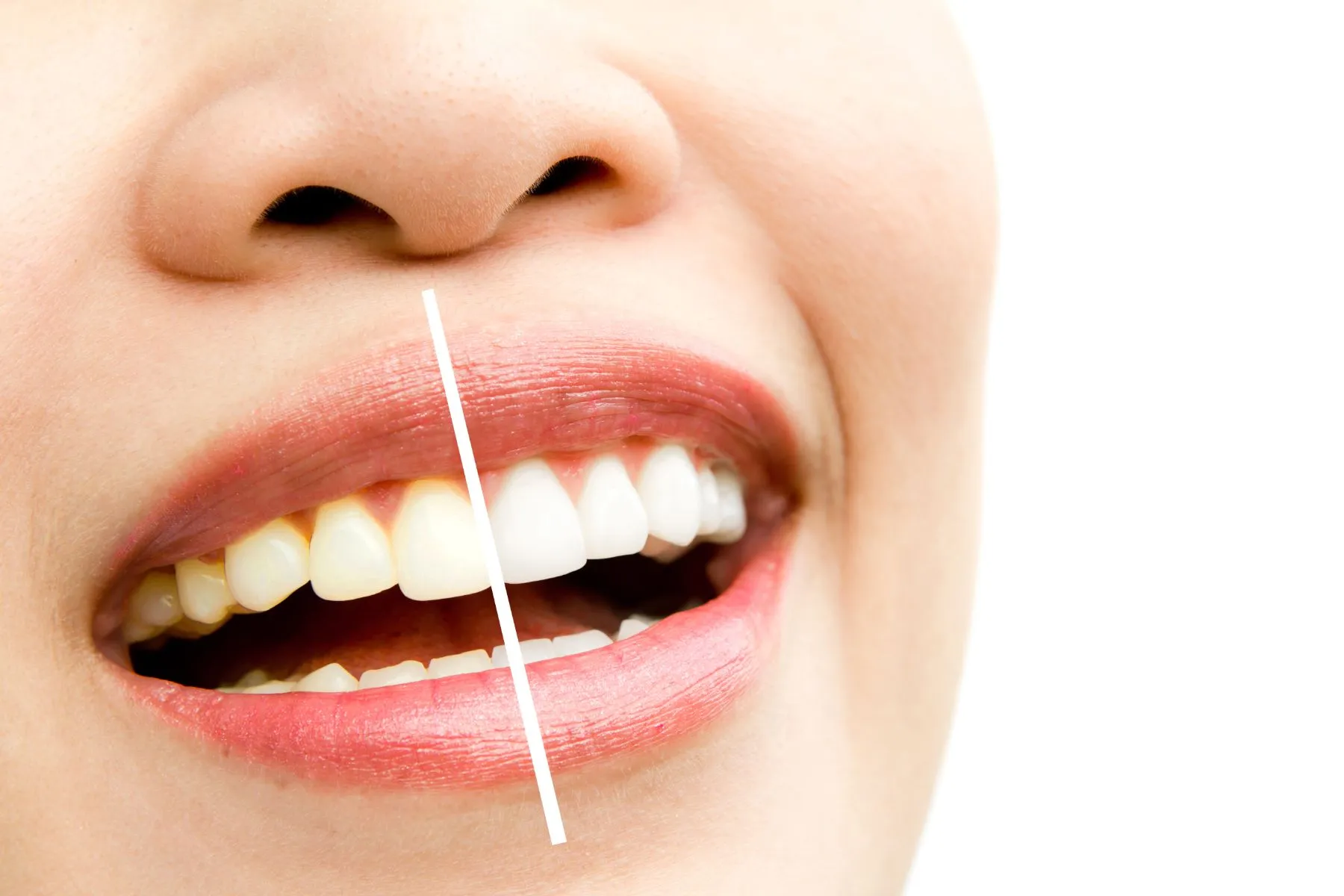
At Dental Excellence, every whitening treatment is personalised according to the patient’s smile characteristics and aesthetic goals, with attention to enamel health and natural-looking results.
📞 +44 01494876128
💬 +44 7956743372
✉️ contact@dentalexcellence.co.uk
📍 The Old Bank House, High Street Chalfont St Giles, HP8 4QZ