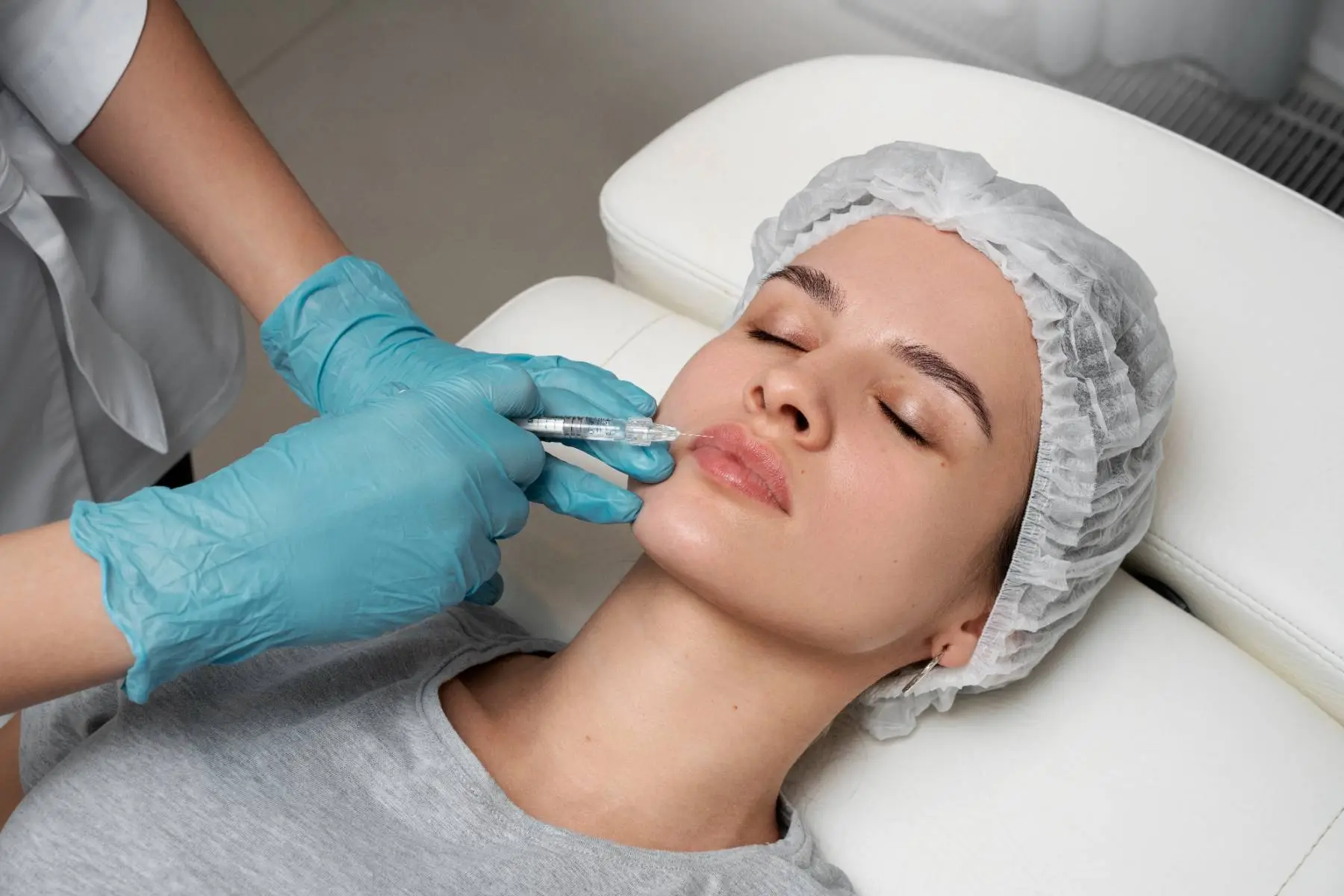
How Long Does Teeth Whitening Last?
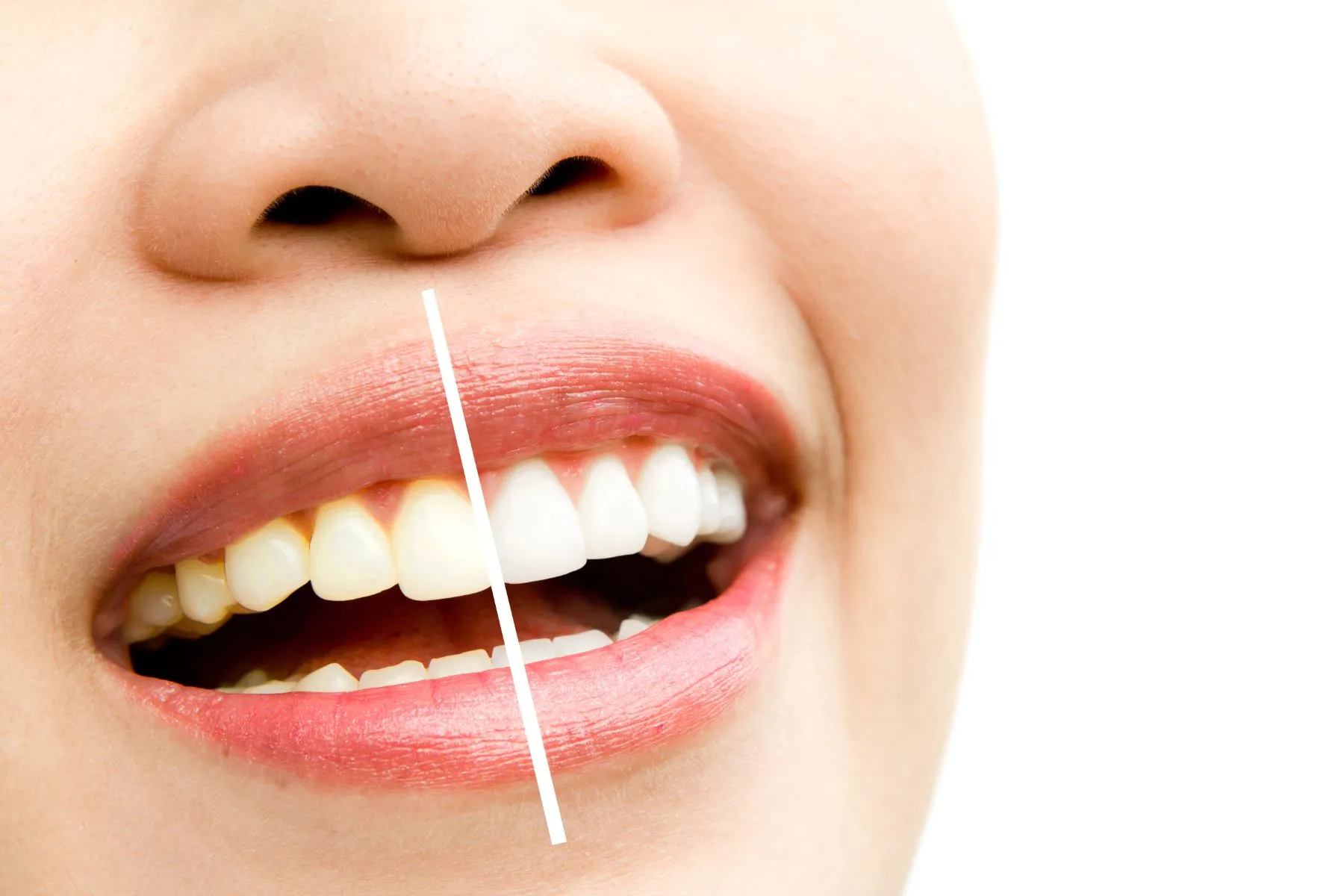
Teeth whitening can make a noticeable difference to the appearance of a smile, but the result is not permanent. One of the questions patients most frequently ask before treatment is how long does teeth whitening last, particularly when they want to understand whether their teeth will remain the same shade in the months and years afterwards.
The answer varies from person to person. Whitening changes the colour of natural tooth tissue, but your teeth continue to be exposed to food, drinks, ageing and everyday habits after treatment. Gradually, some discolouration may return.
This does not mean that whitening suddenly stops working. In most cases, the change occurs slowly. Patients may enjoy their brighter smile for a considerable period before noticing that the shade has begun to deepen again.
How long the effect remains noticeable depends on several factors, including the original cause of the discolouration, your diet, smoking habits, oral hygiene and the whitening method used.
At Dental Excellence in Chalfont St Giles, teeth whitening is part of the cosmetic dentistry treatments available to patients, including professional in-practice and dentist-supervised at-home approaches.
Understanding what affects whitening longevity can help you protect your result without following unnecessary restrictions or unsafe DIY methods.
How Long Does Teeth Whitening Last After Professional Treatment?
When patients ask how long does teeth whitening last, it is important to understand that there is no precise expiry date for the result.
Professional whitening can produce a brighter tooth shade that remains noticeable for a long period, but the duration varies substantially between patients. Some people maintain their result particularly well because they have limited exposure to staining substances and good oral hygiene. Others may notice colour changes sooner because of diet, smoking or the natural characteristics of their teeth.
Teeth do not normally return to their original shade immediately. Instead, new staining gradually accumulates and the natural ageing process continues.
This means that the result you see shortly after completing whitening should be viewed as the beginning of a maintenance process rather than a permanent colour that can never change.
The longevity of whitening also depends on what caused the discolouration in the first place.
Surface staining associated with foods, drinks or smoking behaves differently from deeper changes within the tooth structure. A dentist therefore needs to evaluate the teeth before treatment to determine whether whitening is likely to address the type of discolouration present.
It is also worth remembering that tooth colour naturally varies between individuals. A healthy tooth does not have to be extremely white, and the aim of professional treatment should usually be to achieve an improvement that remains appropriate for the patient’s natural features.
Trying to achieve an unnaturally bright shade through repeated or excessive whitening is not advisable.
The best way to understand how long your individual result may remain noticeable is therefore to consider your starting shade, lifestyle and oral health with a dentist rather than relying on a fixed number found online.
What Factors Affect How Long Teeth Whitening Lasts?
Several factors influence the longevity of a whitening result, and many of them continue to affect the teeth every day after treatment.
Diet is one of the most obvious influences. Strongly pigmented foods and drinks can contribute to gradual external staining. This does not mean patients must permanently remove everything colourful from their diet, but frequent exposure can affect how quickly the shade changes.
Common examples include coffee, tea and certain deeply coloured foods. Smoking is another significant contributor to tooth discolouration.
Oral hygiene also matters. Plaque and surface deposits can make the teeth appear duller, while regular brushing, interdental cleaning and professional hygiene care help maintain a clean tooth surface.
The natural structure of the teeth also influences appearance. Enamel is partially translucent, and the underlying dentine contributes to overall tooth colour. With age, changes in both tissues can make the teeth appear darker or more yellow even when oral hygiene is excellent.
Other factors that can affect whitening longevity include:
- the original cause of discolouration;
- the starting tooth shade;
- smoking or tobacco use;
- frequency of strongly coloured foods and drinks;
- oral hygiene;
- ageing;
- certain medications or previous dental conditions;
- how closely professional instructions are followed.
The method used for whitening can also influence how the treatment is maintained afterwards.
At Dental Excellence, both in-practice and at-home whitening options are included within the treatments available. The most suitable approach depends on the patient’s teeth, expectations and clinical circumstances.
Patients should not assume that stronger products or more frequent treatment will automatically create a better or longer-lasting result. Whitening needs to be performed safely and according to professional guidance.
Using whitening products too often can increase sensitivity and irritation without necessarily improving the final outcome.
How Can You Make Teeth Whitening Results Last Longer?
Maintaining whitening does not require an extreme diet or a complicated daily routine.
The most effective approach is to combine good oral hygiene with sensible lifestyle habits and regular dental care.
Brush twice daily with fluoride toothpaste and clean between the teeth using an appropriate interdental method. Keeping the teeth free from plaque helps maintain their natural surface appearance and supports overall oral health.
Patients sometimes focus so much on avoiding stains that they forget the more important objective: keeping the teeth and gums healthy.
After whitening, it can be helpful to be aware of how frequently you consume strongly pigmented foods and drinks. There is generally no need to eliminate them completely, but reducing repeated exposure can help limit new staining.
Practical habits can include drinking water after coffee or tea and avoiding prolonged sipping throughout the day.
However, brushing immediately after consuming acidic foods or drinks is not necessarily advisable, because acids can temporarily soften the tooth surface. It is generally better to allow the mouth time to recover and follow your dentist’s individual oral hygiene advice.
Smoking cessation can also make a significant difference, not only to tooth colour but to oral and general health.
Regular hygiene appointments can remove external deposits that ordinary brushing may not fully address. This can help the teeth look cleaner and brighter without automatically requiring another whitening treatment.
One of the most important pieces of advice is to avoid attempting to maintain whitening with uncontrolled DIY methods.
Using abrasive substances, household chemicals or unregulated whitening products can damage the enamel or irritate the gums. A tooth may look temporarily cleaner because the surface has been abraded, but this is not the same as safely whitening the tooth.
If your whitening result has begun to fade, speak to a dentist rather than increasing the frequency or concentration of treatment on your own.
Can Coffee, Tea and Food Make Whitened Teeth Dark Again?
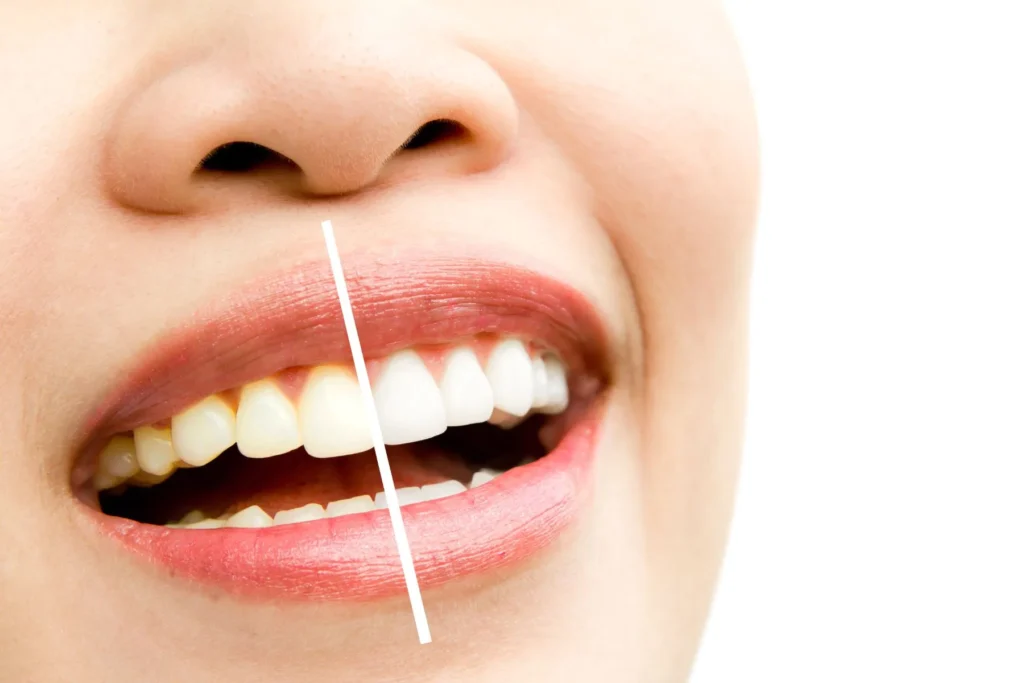
Yes. Foods and drinks can contribute to new surface staining after teeth whitening, although this normally occurs gradually rather than immediately undoing the treatment.
Coffee and tea are among the drinks most commonly associated with tooth staining because they contain pigments that can adhere to the tooth surface. Other dark or strongly coloured foods and beverages may have a similar effect.
However, patients do not usually need to follow a completely colourless diet indefinitely.
Immediately after whitening, the dentist may provide specific instructions about foods and drinks depending on the treatment used. These instructions should be followed carefully during that period.
For long-term maintenance, frequency of exposure is often important.
Someone who drinks several cups of coffee gradually throughout the entire day exposes the teeth repeatedly to staining pigments. Another person who drinks coffee less frequently and maintains good oral hygiene may notice slower staining.
Simple habits may help reduce exposure:
- drink water regularly;
- avoid holding strongly coloured drinks in the mouth;
- maintain consistent brushing and interdental cleaning;
- attend recommended hygiene appointments;
- follow any personalised advice given after whitening.
Patients should not respond to staining by brushing aggressively.
More pressure does not clean the teeth more effectively and can contribute to tooth wear or gum recession over time. Similarly, highly abrasive whitening toothpastes should not be used excessively in an attempt to scrub stains away.
The appearance of darker teeth can also have causes other than staining.
A tooth that changes colour differently from the surrounding teeth, for example, should be examined rather than simply whitened repeatedly. Previous trauma, dental restorations or changes inside the tooth can all affect colour.
If you notice that your whitening result appears to be changing unusually or unevenly, a dental assessment can establish whether the issue is ordinary surface staining or something that requires a different approach.
Can You Whiten Your Teeth Again When the Results Fade?
In suitable patients, further whitening may be possible when the original result has gradually faded.
However, this should not be treated as an automatic routine performed whenever the teeth appear slightly darker.
Before repeating whitening, it is helpful to understand why the shade has changed.
Sometimes the issue is mainly surface staining, which may improve significantly with professional hygiene treatment. In other cases, a dentist may determine that further whitening is appropriate.
The condition of the teeth and gums should also be reviewed first.
Dental health can change between treatments. New decay, sensitivity, gum problems, cracks or changes to restorations may influence whether whitening should be performed.
Patients who have previously been provided with a dentist-supervised whitening system should follow the maintenance instructions originally provided rather than independently increasing treatment frequency.
More frequent whitening does not necessarily create a better result.
There is a biological limit to how much an individual tooth can reasonably change, and constantly attempting to make the teeth whiter may increase the risk of sensitivity without providing meaningful improvement.
This is particularly important because perception changes.
After seeing a brighter smile every day, patients can become accustomed to their new shade. The teeth may then appear darker to them even when only a small change has occurred.
Photographs and professional shade assessment can help provide a more objective comparison.
Patients should also remember that whitening only affects natural tooth structure. Existing restorations such as crowns, bridges, veneers and composite fillings do not respond in the same way.
For this reason, repeated whitening should be planned carefully, particularly when restorations are visible within the smile.
If you believe your whitening has faded, the safest approach is to have the teeth reviewed and discuss whether maintenance whitening, professional cleaning or another solution would be more appropriate.
Why Do Teeth Look Different Immediately After Whitening?
Patients occasionally notice that their teeth appear particularly bright immediately after whitening and then seem slightly darker several days later.
This does not necessarily mean that the treatment has stopped working.
Whitening temporarily affects the hydration of the tooth surface. Shortly after treatment, changes in hydration can make the teeth appear brighter than the shade that will ultimately stabilise.
As the teeth rehydrate, the colour can settle into a slightly different appearance.
This is one reason why the final result should not always be judged immediately after treatment.
The mouth is a constantly changing environment. Saliva, hydration, lighting and even the colour of the surrounding lips can influence how white the teeth appear.
Photographs taken under bright bathroom lighting or using a smartphone flash may also make the teeth look significantly different from how they appear in natural light.
Patients should therefore avoid repeatedly whitening their teeth simply because they perceive a small shade change in the days after treatment.
Allowing the result to stabilise and following the dentist’s instructions provides a more reliable indication of the final outcome.
Sensitivity can also occur temporarily during or after whitening in some patients. The intensity and duration vary.
If sensitivity develops, follow the advice given by your dentist rather than trying home remedies or applying substances to the teeth without professional guidance.
Persistent or severe discomfort should be discussed with the dental practice.
Understanding these normal short-term changes can help patients avoid unnecessary concern and prevent overtreatment.
Professional whitening is not about making the teeth progressively whiter every day. The objective is to create an appropriate improvement while maintaining the health of the teeth and surrounding tissues.
Can Dental Restorations Be Whitened Along With Natural Teeth?
This is an important consideration for anyone who already has visible dental restorations.
Whitening primarily changes the colour of natural tooth structure. Materials used for restorations such as composite bonding, veneers, crowns and fillings do not whiten in the same way.
This means that if a restoration currently matches your tooth colour, whitening the surrounding natural teeth may create a visible difference.
For example, imagine a patient with composite bonding on one of the front teeth. If the natural teeth become lighter during whitening while the existing composite remains its previous shade, the restoration may begin to appear darker by comparison.
The same principle applies to other visible restorations.
This does not mean that patients with crowns or bonding cannot have whitening. It simply means that treatment needs to be planned in the correct sequence.
When cosmetic treatment involves several different procedures, the dentist may recommend whitening the natural teeth first and allowing the shade to stabilise before selecting the final colour for new restorations.
This can help create a more harmonious result.
Patients should always tell their dentist about previous dental work before starting any whitening programme, even when the restorations are not immediately obvious.
Trying to whiten restorations at home using stronger products will not solve the mismatch and may irritate the teeth and gums.
If existing restorations have become noticeably different in colour from the natural teeth, the dentist can evaluate whether they are otherwise healthy and discuss the appropriate options.
At Dental Excellence, cosmetic dentistry includes whitening and composite treatments as part of the wider range of services available. Planning these treatments together can be important when a patient wants to improve several aspects of their smile.
Why Should You Avoid DIY Teeth Whitening Methods?
Online searches for whiter teeth produce countless home remedies, but many of these methods are ineffective, unpredictable or potentially harmful.
Common DIY suggestions involve acidic foods, abrasive powders or household substances that were never intended for repeated use on teeth.
The fact that something can remove surface staining does not mean it is safe for enamel.
Highly abrasive materials may physically wear the tooth surface. Once enamel has been lost, the body cannot simply grow it back. Excessive abrasion may eventually expose more of the naturally yellower dentine underneath, creating the opposite of the intended cosmetic effect.
Acidic DIY methods can also contribute to enamel erosion.
Another concern is gum irritation. Whitening agents must be used at appropriate concentrations and in a way that limits unnecessary contact with the soft tissues.
Unregulated products purchased online may not provide the same level of control, instructions or professional supervision.
Patients should also be suspicious of dramatic promises such as making the teeth extremely white in a very short period.
Not every type of discolouration responds to whitening, and some colour changes should be investigated before cosmetic treatment begins.
A single dark tooth, for example, may need clinical assessment rather than repeated whitening attempts.
Professional evaluation also establishes whether the mouth is healthy enough for treatment.
Dental decay, gum disease or damaged teeth should not simply be covered up cosmetically.
At Dental Excellence in Chalfont St Giles, whitening can be planned as part of a broader cosmetic approach based on the individual patient’s oral health and goals. The practice also has digital diagnostic technologies available to support assessment and treatment planning.
If you want a brighter smile, using a professionally supervised treatment is safer than experimenting with DIY methods that may cause damage or produce unpredictable results.
How Long Does Teeth Whitening Last? Final Considerations
So, how long does teeth whitening last? There is no universal answer because the result depends on the individual patient, their starting shade, the cause of the discolouration and what their teeth are exposed to after treatment.
Whitening does not normally disappear suddenly. Instead, colour gradually changes over time as the teeth continue to age and are exposed to foods, drinks and other sources of staining.
Good oral hygiene, regular dental care and sensible lifestyle habits can help maintain the result for longer. Patients do not usually need to avoid every coloured food or drink permanently, but repeated exposure to staining substances can influence how quickly the teeth darken again.
When the result eventually begins to fade, further whitening may be appropriate for some patients. However, the teeth should be reviewed rather than automatically repeating treatment. Professional cleaning, maintenance whitening or another dental treatment may be more suitable depending on the reason for the colour change.
It is equally important to avoid DIY whitening methods, abrasive household substances and unsupervised attempts to achieve a dramatically lighter shade. Safe whitening begins with understanding the condition of the teeth and gums and selecting a treatment appropriate for the individual patient.
Existing composite restorations, crowns, veneers and fillings must also be considered because they do not whiten in the same way as natural teeth.
If you are considering teeth whitening or would like to maintain a previous whitening result, contact Dental Excellence in Chalfont St Giles to arrange an appointment and discuss an approach suited to your teeth, oral health and cosmetic goals.
At Dental Excellence, every whitening treatment is personalised according to the patient’s smile characteristics and aesthetic goals, with attention to enamel health and natural-looking results.
📞 +44 01494876128
💬 +44 7956743372
✉️ contact@dentalexcellence.co.uk
📍 The Old Bank House, High Street Chalfont St Giles, HP8 4QZ