How Long Does Botox Last?
When people consider facial aesthetic treatments, one of the first questions they often ask is: how long does Botox last?
Understanding how long the effects can remain visible is an important part of making an informed decision. Botox treatments are designed to create a temporary reduction in the appearance of certain expression lines by relaxing specific facial muscles. The result is not permanent, and the effects gradually reduce as the body naturally processes the treatment.
However, there is no single timeframe that applies to every person. The duration of the result can vary depending on several factors, including the area treated, individual muscle activity, lifestyle, skin condition and the treatment plan created for each patient.
Botox is not simply about reducing wrinkles. A well-planned aesthetic treatment considers facial movement, proportions and the patient’s natural expressions. The aim is usually to create a refreshed appearance while maintaining natural facial character.
At Dental Excellence in Chalfont St Giles, facial aesthetic treatments are approached with attention to individual needs and personalised planning. The practice offers aesthetic treatments including anti-wrinkle injections, dermal fillers, polynucleotides and skin rejuvenation procedures designed around each patient’s goals.
In this guide, we explain how long Botox typically lasts, what influences the duration of results, what patients can expect before and after treatment and why professional assessment is essential when considering aesthetic procedures.
How Long Does Botox Last After Treatment?
When patients ask how long does Botox last, the most accurate answer is that the effects are temporary and gradually reduce over time.
After treatment, Botox does not create an immediate permanent change. Instead, the effect develops progressively as the targeted muscles respond to the treatment. Patients often notice changes beginning after a few days, with the full effect becoming clearer after a period of time.
As the months pass, muscle activity gradually begins to return. This means that facial movement slowly becomes more noticeable again, and expression lines may gradually start to reappear.
The process is different for every patient because facial muscles, skin characteristics and lifestyle factors vary considerably.
Several elements can influence how long results remain visible:
- the area treated;
- the strength and activity of the muscles;
- the individual’s metabolism;
- previous aesthetic treatments;
- skin quality;
- lifestyle habits.
For example, areas of the face that are used frequently during expression may change differently from areas with less movement. Smiling, frowning, concentrating and other repeated facial expressions all contribute to how dynamic lines develop over time.
It is also important to understand that Botox does not permanently remove wrinkles. Expression lines are created by repeated facial movements combined with changes that naturally occur in the skin over time. Relaxing certain muscle activity can reduce the appearance of these lines, but the ageing process continues.
Patients should therefore approach Botox as part of an ongoing facial aesthetic plan rather than a one-time permanent solution.
The best way to understand how long your own results may last is through a consultation where your facial anatomy, goals and treatment history can be assessed.
What Factors Affect How Long Botox Lasts?
The answer to how long does Botox last depends on a combination of biological and lifestyle factors.
One of the main factors is individual muscle activity. Everyone uses their facial muscles differently. Some people naturally have stronger or more active movements, which can influence how quickly the effects of treatment become less noticeable.
The area being treated is also important. Different facial regions have different patterns of movement and may respond differently over time.
Skin quality can also influence the overall appearance of the result. Botox affects muscle activity, but the condition of the skin itself is influenced by factors such as hydration, sun exposure, ageing and general health.
Lifestyle habits may also contribute to how the face changes over time.
Factors that can influence results include:
- exposure to sunlight without appropriate protection;
- smoking;
- stress levels;
- general skin care routine;
- hydration;
- natural ageing processes.
However, patients should avoid thinking that a single lifestyle factor determines success. Facial aesthetics is influenced by many elements working together.
The quality of the treatment plan is equally important. Botox should be carefully adapted to the individual rather than following a standard approach for every patient.
A person’s facial structure, muscle movement and desired outcome all need to be considered before deciding where treatment may be appropriate.
Another important factor is expectation. Patients sometimes compare their results with photographs or experiences shared online, but every face responds differently.
A treatment that creates a subtle improvement for one person may appear different for another because the underlying anatomy is not the same.
This is why professional assessment is essential. A clinician can evaluate your facial movements and discuss what type of result is realistic based on your individual characteristics.
What Happens When Botox Starts Wearing Off?
Many patients wonder what happens when Botox gradually begins to wear off.
The most important thing to understand is that the change is normally gradual. Botox does not suddenly disappear overnight. Instead, muscle movement slowly returns as the body naturally processes the treatment.
As movement returns, patients may notice that:
- expression lines become slightly more visible;
- facial movement feels more familiar;
- the treated area gradually returns towards its previous appearance.
This process is expected and does not mean that something has gone wrong.
The gradual return of movement is simply part of how temporary aesthetic treatments work.
Some patients worry that their wrinkles will look worse once Botox wears off. In most cases, this concern comes from becoming accustomed to seeing a smoother appearance. When the previous level of movement returns, the difference may feel more noticeable simply because the patient has adjusted to the treated result.
The face is constantly changing over time, even without aesthetic treatments. Skin elasticity, collagen levels and facial volume naturally evolve with age, meaning that appearance several years later would not necessarily be identical regardless of whether treatment had been performed.
When Botox begins to wear off, patients should avoid trying to extend the result through unverified methods or increasing treatment frequency without professional advice.
There is no safe DIY approach that can permanently prolong Botox effects.
If you are happy with the result and wish to maintain it, the appropriate timing for another treatment should be discussed with a qualified practitioner who can assess the current condition of the face.
Aesthetic treatment should always be based on how your face looks and moves at the time of assessment rather than following a rigid schedule.
How Long Does Botox Take to Work and When Are Results Visible?
A common question alongside how long does Botox last is how quickly patients can expect to see the effects.
Unlike some cosmetic treatments that create an immediate visible change, Botox usually develops gradually.
After treatment, the muscles begin responding over time. Patients may start noticing subtle changes after several days, while the full effect becomes clearer after a longer period.
This gradual process is important because it allows the appearance to develop naturally.
Some patients expect to leave the appointment with a completely different appearance, but the aim of well-planned Botox treatment is generally a refined improvement rather than a sudden transformation.
The result depends on:
- the area treated;
- the strength of the muscles;
- the patient’s individual response;
- the amount of movement before treatment.
Patients should also remember that facial expressions are an important part of communication. The objective is not necessarily to eliminate all movement, but to achieve a balanced result that respects the patient’s natural features.
This is why treatment requires careful consideration of facial anatomy.
During a consultation, the clinician should discuss:
- which areas concern the patient;
- what changes they would like to achieve;
- whether Botox is suitable;
- what level of improvement is realistic.
The timeline can also vary between treatment areas. Some areas may appear to respond sooner, while others may take longer to show noticeable changes.
Patients should avoid judging the final result too early or requesting additional treatment before the effects have had time to develop.
Allowing the treatment time to settle helps ensure that any decisions about further adjustments are based on the final outcome rather than an incomplete result.
Can Botox Results Be Made to Last Longer?
Patients often ask whether there are ways to make Botox last longer.
While there is no guaranteed method to extend the effect indefinitely, certain habits can support overall skin health and help maintain a refreshed appearance.
A healthy skincare routine, protection from excessive sun exposure and good general health habits all contribute to the condition of the skin.
However, these factors do not stop the natural process by which Botox gradually wears off.
The body will continue to metabolise the treatment over time, and facial muscles will gradually regain their normal activity.
Patients should also be careful with advice found online claiming to extend Botox results through specific exercises, products or home techniques. Many of these suggestions are not supported by professional evidence and may create unrealistic expectations.
The most important factor is appropriate treatment planning.
A personalised approach considers:
- the patient’s facial anatomy;
- the strength and location of muscle activity;
- the desired outcome;
- previous treatment history.
Treating too frequently or using unnecessary amounts of product is not a substitute for good planning.
The goal of aesthetic treatment should be maintaining balance and achieving results that suit the individual patient.
Regular reviews can help determine whether further treatment is appropriate and when it may be considered.
Rather than focusing only on making Botox last as long as possible, patients should focus on achieving a safe, natural-looking result that fits their own preferences and facial features.
What Should You Expect Before and After Botox Treatment?
Understanding the process before treatment can help patients feel more comfortable and make informed decisions.
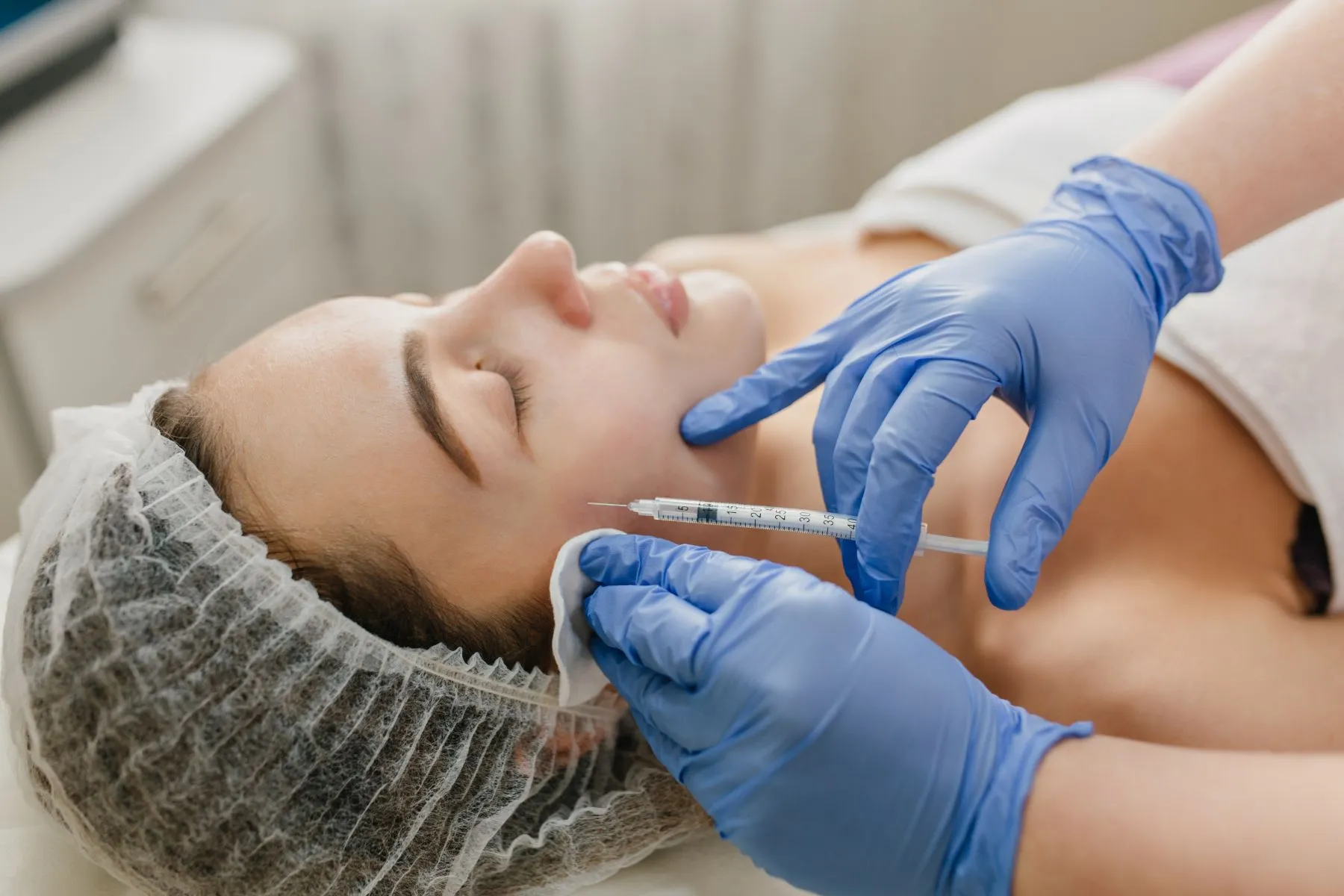
Before Botox treatment, a consultation is an important step. This allows the clinician to discuss the patient’s concerns, examine facial movement and determine whether treatment is suitable.
The consultation should include discussion about:
- previous aesthetic treatments;
- medical history;
- expectations;
- areas of concern;
- the type of result the patient would like to achieve.
This stage is important because Botox is not appropriate for every concern. Some lines are primarily related to muscle movement, while others may be influenced more by changes in skin quality or facial volume.
After treatment, patients should follow the specific advice provided by their clinician.
The treated area may experience temporary effects such as mild redness, sensitivity or small marks from the procedure. These usually settle, but patients should discuss any concerns with the practitioner who performed the treatment.
Patients should avoid relying on general internet advice instead of personalised aftercare instructions because recommendations may vary depending on the treatment performed and individual circumstances.
It is also important not to judge the result immediately.
Because Botox develops gradually, the appearance continues to change during the period after treatment.
The best results come from understanding that aesthetic treatment is a process rather than a single moment.
A professional approach involves assessment before treatment, appropriate planning and follow-up when needed.
Why Is Professional Botox Treatment Important?
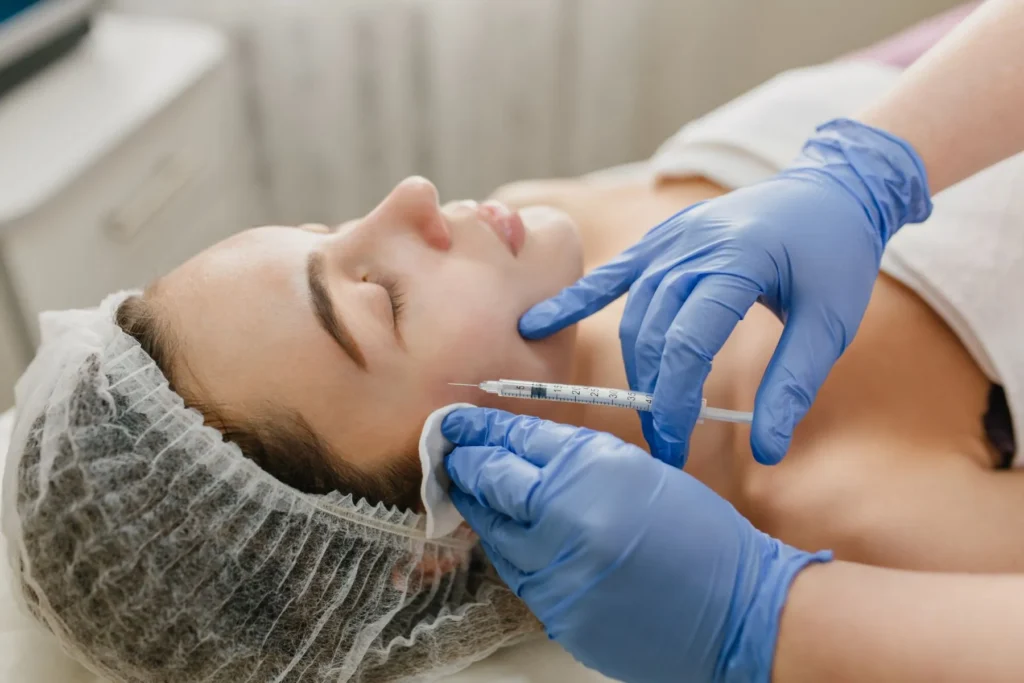
Botox is sometimes presented as a simple cosmetic procedure, but it requires a detailed understanding of facial anatomy and muscle movement.
The face contains many muscles that work together to create expressions. Treating one area can influence the overall balance of facial movement, which is why assessment and planning are essential.
A professional approach considers both the patient’s concerns and the way their face naturally moves.
The aim should not be to change the person’s identity or remove all expression. Instead, treatment should be planned around the individual’s features and desired outcome.
This is why choosing a qualified healthcare professional is important.
A proper consultation allows the clinician to assess whether Botox is appropriate and explain what can realistically be achieved.
Patients should avoid DIY injectable treatments or procedures performed without appropriate clinical knowledge. Injectable treatments require understanding of anatomy, suitable techniques and the ability to recognise and manage potential concerns.
Unregulated products or unsuitable treatment environments can create unnecessary risks.
At Dental Excellence, facial aesthetic treatments are based on personalised planning and patient-focused care. The practice highlights quality, professionalism and tailored procedures designed around individual needs.
Patients considering Botox should therefore look beyond the immediate result and consider the entire treatment journey, including consultation, planning, aftercare and ongoing assessment.
Can Botox Be Combined With Other Aesthetic Treatments?
Some patients are interested in improving several aspects of facial appearance and may ask whether Botox can form part of a broader aesthetic plan.
The answer depends on the individual patient’s needs and the assessment carried out by the clinician.
Facial aesthetics is not about treating isolated areas without considering the relationship between different features.
The appearance of the face is influenced by:
- skin quality;
- facial volume;
- muscle activity;
- proportions;
- natural ageing changes.
For some patients, addressing more than one factor may be considered appropriate. For others, a single treatment may be enough to achieve their desired improvement.
Dental Excellence offers facial aesthetic treatments including anti-wrinkle injections, dermal fillers and skin rejuvenation procedures.
A personalised assessment helps determine which approach, if any, may be suitable.
Patients should avoid chasing trends or trying to recreate another person’s appearance. Facial structure differs from person to person, meaning the same treatment plan will not create the same result in everyone.
The best outcomes usually come from respecting natural anatomy and making carefully considered decisions.
If multiple treatments are discussed, the clinician should explain how they work together, what each treatment is intended to achieve and what expectations are realistic.
This allows patients to make informed choices rather than selecting treatments based only on online images or temporary trends.
How Long Does Botox Last? Final Considerations
So, how long does Botox last? The answer depends on many individual factors, including the area treated, muscle activity, skin condition, lifestyle and the personalised treatment plan created for the patient.
Botox results are temporary and gradually reduce over time as normal muscle movement returns. This process is expected and does not mean that the treatment has failed.
The best way to maintain a natural-looking result is not through DIY methods or unnecessary treatments, but through professional assessment, appropriate planning and realistic expectations.
A successful aesthetic treatment considers the individual rather than following a standard approach. Facial movement, proportions and personal goals all play an important role in deciding whether Botox is suitable and how treatment should be planned.
If you are considering Botox or would like to understand whether this treatment may be appropriate for your aesthetic goals, contact Dental Excellence in Chalfont St Giles to arrange an appointment and discuss a personalised approach with the team.
At Dental Excellence, every whitening treatment is personalised according to the patient’s smile characteristics and aesthetic goals, with attention to enamel health and natural-looking results.
📞 +44 01494876128
💬 +44 7956743372
✉️ contact@dentalexcellence.co.uk
📍 The Old Bank House, High Street Chalfont St Giles, HP8 4QZ