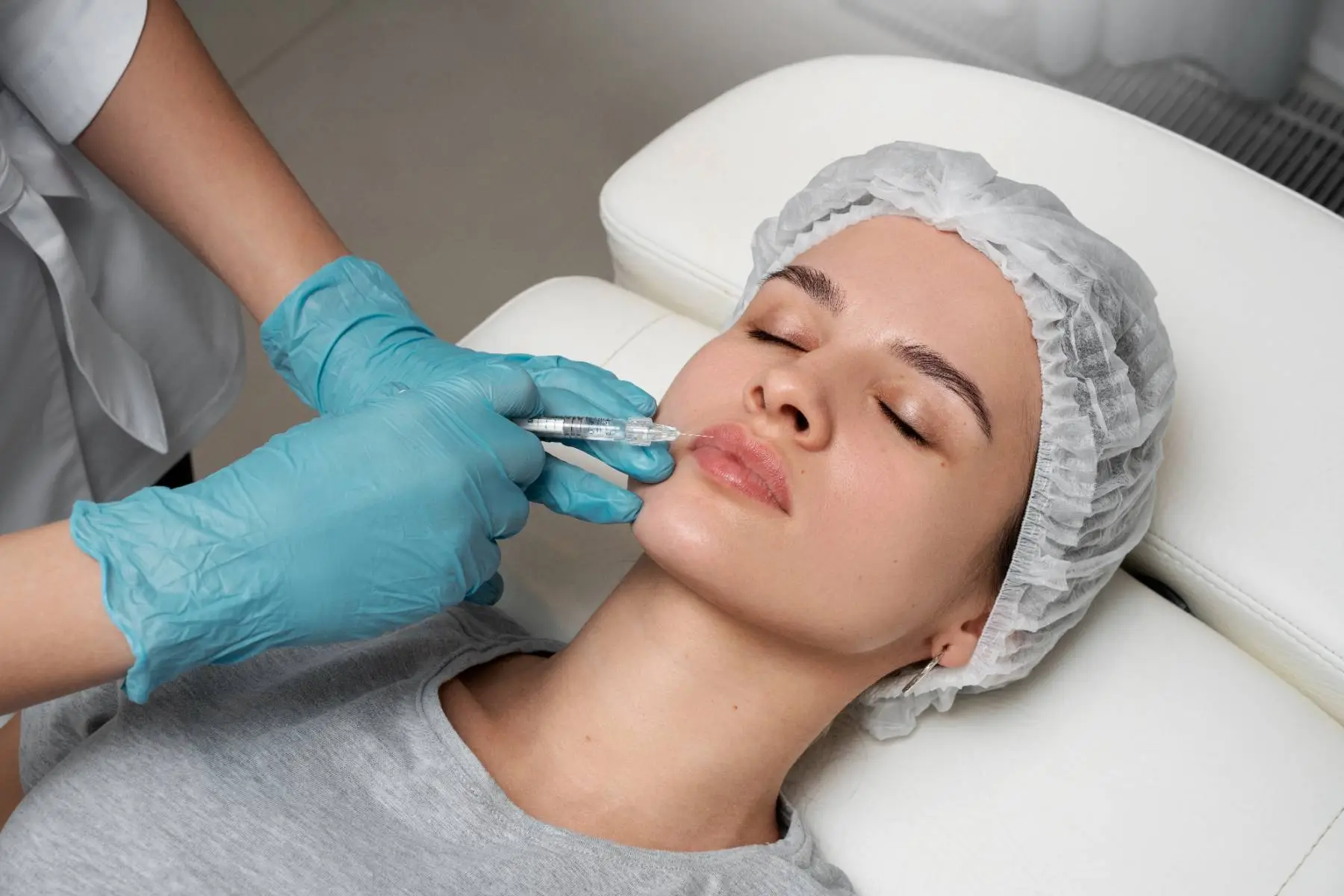
During pregnancy, the body goes through many changes, including those affecting the gums and oral health. For this reason, many women wonder whether teeth cleaning during pregnancy is safe or if it may involve risks for the mother or the baby.
Patients looking for teeth cleaning in Buckinghamshire often ask whether professional oral hygiene appointments should be postponed during pregnancy. In most cases, maintaining good oral hygiene during this period is considered very important, especially because inflamed gums, plaque, and tartar build-up may increase discomfort and sensitivity.
At Dental Excellence in Chalfont St Giles, preventive oral care is considered an important part of overall wellbeing during pregnancy, with treatments adapted to the individual needs and comfort of each patient.
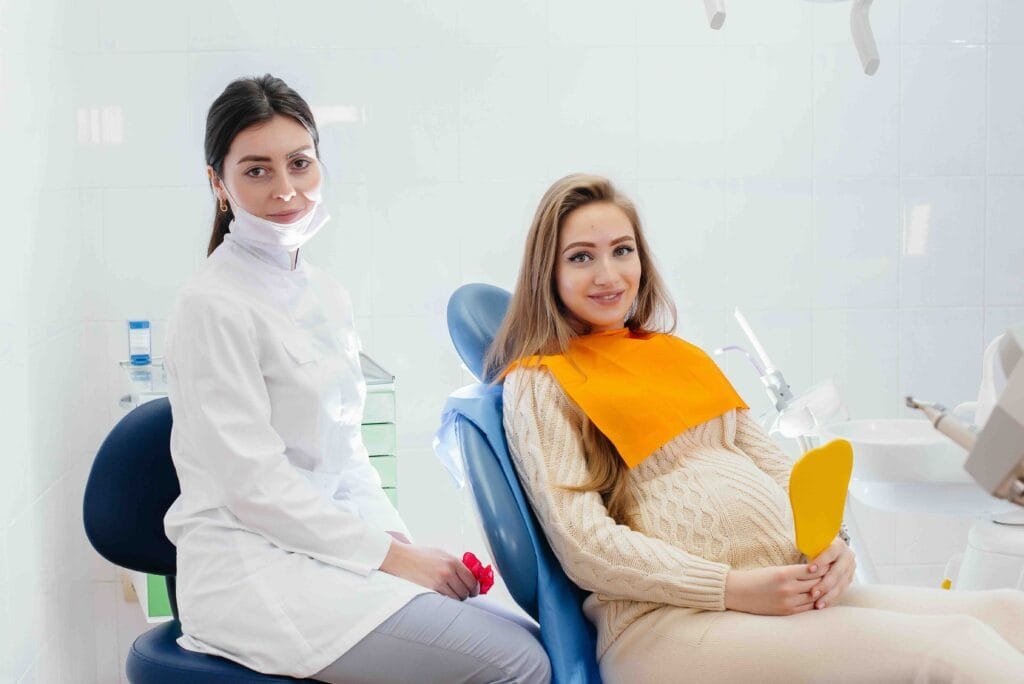
Why do gums become more sensitive during pregnancy?
During pregnancy, hormonal changes can significantly affect the gum tissues. Many women notice swollen, sensitive, or bleeding gums even during normal daily oral hygiene routines.
This happens because hormonal changes may increase the inflammatory response of the gums to bacterial plaque. In some cases, a condition known as pregnancy gingivitis may develop, causing:
- gum redness
- bleeding while brushing
- increased sensitivity
- swollen gums
For this reason, maintaining good oral hygiene during pregnancy becomes even more important. Neglecting plaque and tartar build-up may increase gum inflammation and worsen daily discomfort.
Teeth cleaning during pregnancy: can it be done safely?
In most cases, teeth cleaning during pregnancy can be carried out safely when proper professional guidance is followed. Professional oral hygiene helps control plaque and tartar accumulation, reducing gum inflammation.
Before treatment, it is important to inform the dentist or dental hygienist about the pregnancy and any recommendations received from the gynaecologist.
During the appointment, specific precautions are generally taken to ensure the patient’s comfort, avoiding unnecessary procedures and adapting the treatment to individual conditions.
Many women avoid dental appointments because they fear causing problems for the baby, but postponing professional hygiene appointments may increase the risk of worsening gum inflammation and discomfort.
What is the best time for teeth cleaning during pregnancy?
The most suitable time for a professional hygiene appointment may depend on the stage of pregnancy and the patient’s overall condition.
In many cases, the second trimester is considered the most comfortable period for non-urgent dental treatments, as nausea and fatigue often improve compared to the first months.
However, every pregnancy is different, and treatment planning should always be personalised. If the gums are particularly inflamed or prone to bleeding, the professional may recommend more frequent monitoring appointments.
Even the chair position can be adjusted to help the patient feel more comfortable during treatment.
How is professional teeth cleaning performed during pregnancy?
Professional teeth cleaning during pregnancy is similar to a standard hygiene appointment, although specific precautions may be taken because of increased gum sensitivity.
During the session, the hygienist removes:
- bacterial plaque
- tartar above and below the gumline
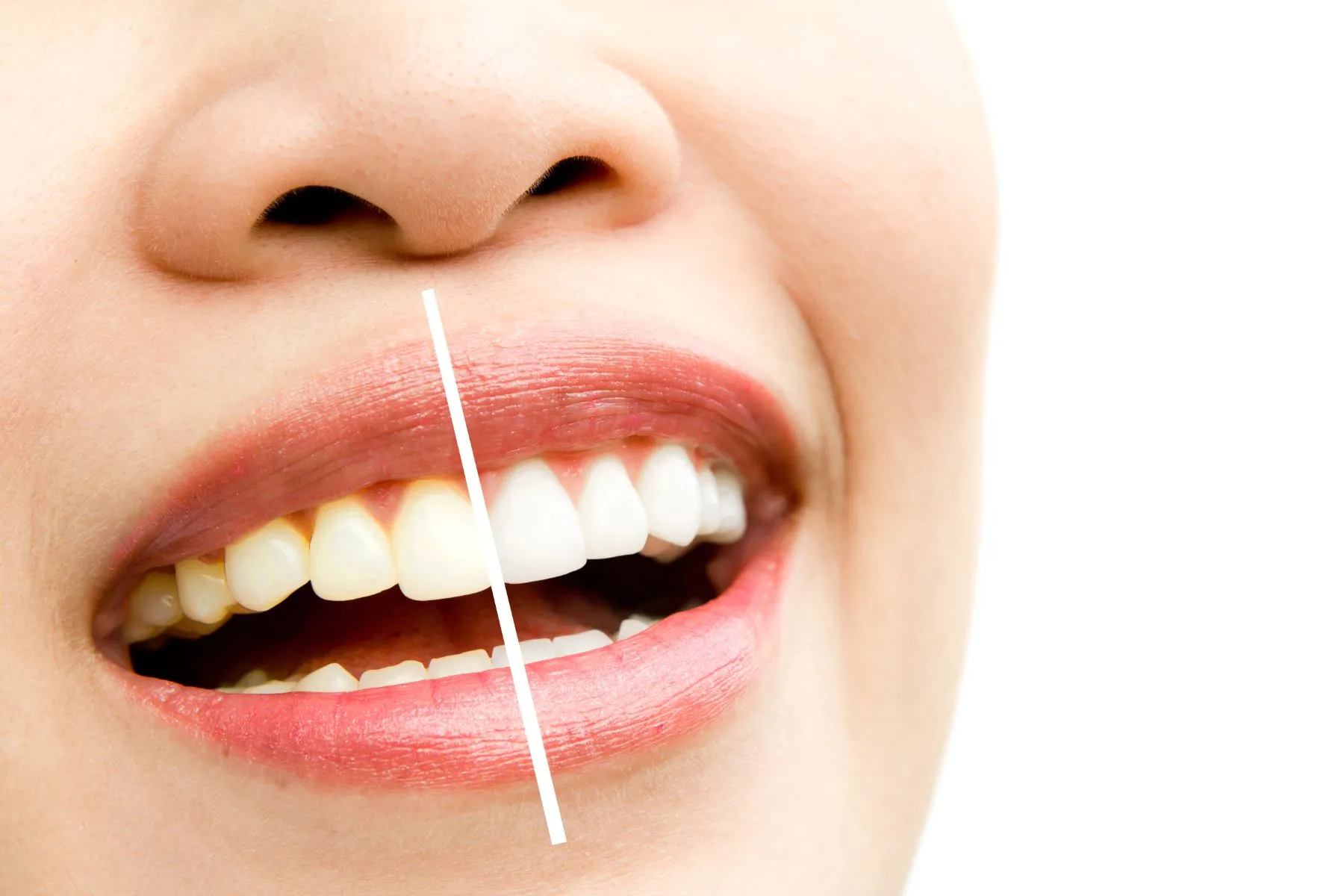
- superficial stains
The hygienist may also provide personalised advice to improve home oral care during pregnancy, especially when nausea or vomiting make brushing more difficult.
If the gums are particularly sensitive, treatment can be performed more gently and gradually to minimise discomfort and irritation.
What happens if teeth cleaning is avoided during pregnancy?
Neglecting oral health during pregnancy may encourage plaque and tartar build-up, increasing the risk of gum inflammation.
In some cases, swollen and bleeding gums may also make daily oral hygiene more difficult, creating a cycle that can gradually worsen over time.
Some of the most common issues include:
- gingivitis
- frequent gum bleeding
- bad breath
- increased gum sensitivity
For this reason, it is important not to interrupt routine dental check-ups and preventive care without professional advice.
Is teeth cleaning during pregnancy painful?
Many women worry that the appointment may feel uncomfortable, especially when the gums are already more sensitive. In reality, in most cases professional hygiene treatment is well tolerated and adapted to the patient’s needs.
If the gums are particularly inflamed, mild sensitivity during certain stages of the cleaning procedure may be normal. However, the professional can adjust the instruments and treatment intensity to improve comfort.
Communicating any discomfort during the appointment helps make the experience more gradual and reassuring.
Teeth cleaning during pregnancy: why prevention matters
Teeth cleaning during pregnancy is an important preventive treatment that helps maintain healthier teeth and gums during a period of major physical changes. Controlling plaque and tartar build-up may help reduce inflammation, bleeding, and gum discomfort while supporting better daily oral health.
At Dental Excellence, every preventive care plan is personalised according to the patient’s individual needs, with attention to comfort, safety, and wellbeing throughout pregnancy.
📞 +44 01494876128
💬 +44 7956743372
✉️ contact@dentalexcellence.co.uk
📍 The Old Bank House, High Street Chalfont St Giles, HP8 4QZ