hen it comes to smile aesthetics, many people want brighter teeth but are also concerned about possible side effects. Patients looking for teeth cleaning in Chalfont St Giles often ask whether whitening treatments may create uneven colour or visible stains on the teeth. One of the most common questions is precisely whether can teeth whitening cause stains? or if the treatment can make teeth appear patchy or irregular.
At Dental Excellence in Chalfont St Giles, whitening treatments are planned according to the patient’s oral health and enamel characteristics. Understanding how the treatment works and which habits to follow afterwards helps patients avoid common misconceptions and approach the procedure with greater confidence.
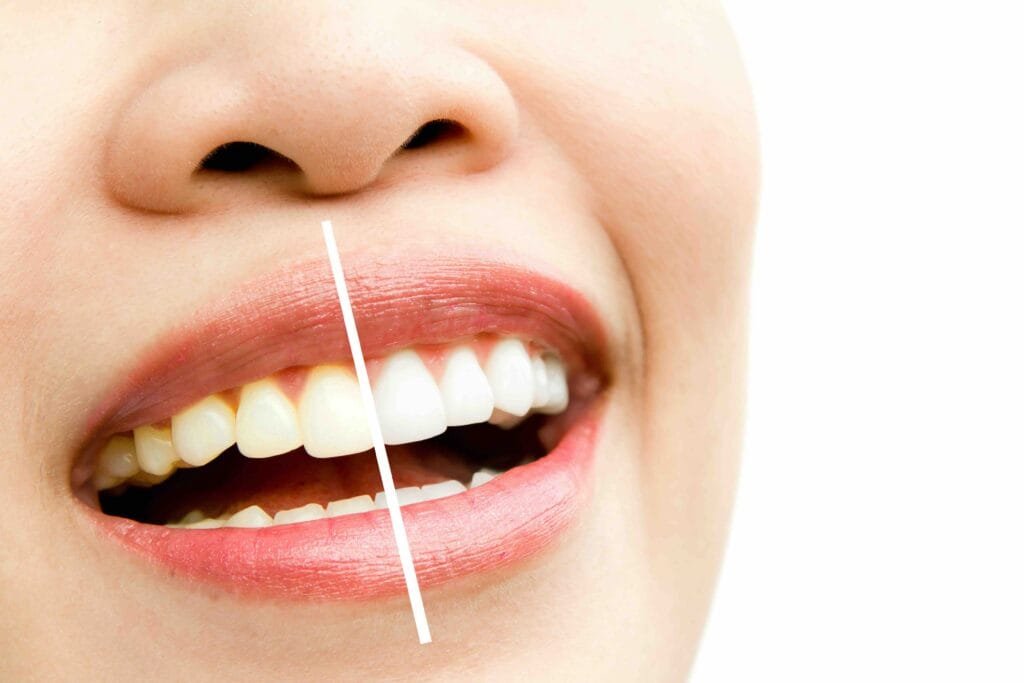
Can teeth whitening cause temporary stains?
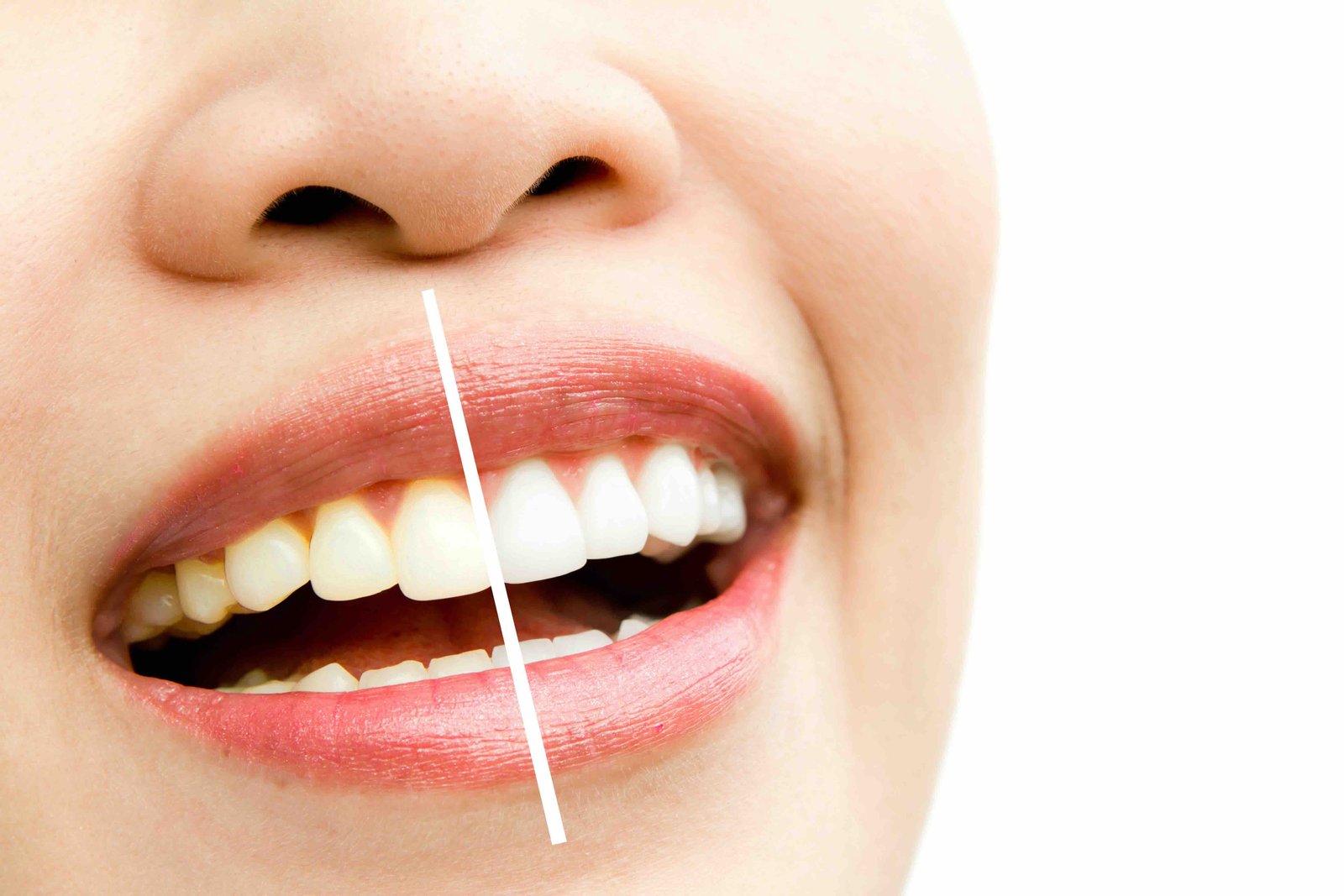
After whitening treatment, some patients may notice slight colour variations or small areas that appear whiter than others. In most cases, these are temporary effects related to enamel dehydration immediately after the procedure.
These differences generally settle naturally within hours or days. The enamel goes through a temporary rehydration phase after whitening products are applied.
It is important to know that:
- small temporary colour differences can be normal
- enamel does not suddenly “become stained” because of whitening
- tooth colour usually stabilises gradually
- the final result often requires a few days to be properly evaluated
Many patients become unnecessarily worried when checking their teeth immediately after treatment. For this reason, it is important to avoid drawing conclusions too quickly and to follow the professional’s advice carefully.
Why do some stains become more visible after whitening?
In some cases, whitening may make pre-existing discolouration more noticeable. This happens because whitening products work on natural teeth but do not change the colour of fillings, veneers, crowns, or other restorations.
Certain areas of weakened or demineralised enamel may also temporarily appear whiter after treatment. For this reason, a professional assessment before whitening is very important.
Some conditions that may influence the final appearance include:
- visible fillings
- fluorosis stains
- enamel demineralisation
- deep pigmentation
- natural enamel colour variations
A professional examination helps determine whether whitening is suitable and what results can realistically be expected.
Does teeth whitening damage enamel?
One of the most common concerns is whether whitening can damage the teeth or weaken the enamel. When performed correctly and under professional supervision, whitening treatment is not designed to “wear away” enamel.
Problems are more often linked to the improper use of DIY remedies or whitening products used without dental evaluation.
Many people search online for quick solutions such as:
- bicarbonate soda
- lemon
- activated charcoal
- hydrogen peroxide
- abrasive homemade mixtures
These remedies may irritate the gums and enamel, increasing sensitivity and long-term wear. For this reason, professional personalised treatments are generally considered the safest option.
What should be avoided after teeth whitening?
After treatment, teeth may temporarily become more sensitive to pigmented foods and drinks. During the first 24-48 hours, it is generally advisable to avoid substances that may encourage new staining.
These may include:
- coffee
- tea
- red wine
- curry
- coloured drinks
- smoking
Good oral hygiene also helps maintain the whitening result for longer. It is important to follow professional aftercare instructions and avoid aggressive products or improvised remedies.
Many patients believe whitening makes teeth “fragile”, but in reality following correct aftercare simply helps preserve the aesthetic result achieved.
How long does teeth whitening last?
The duration of whitening results may vary from patient to patient depending on lifestyle habits, oral hygiene, smoking, and natural enamel characteristics.
Long-term maintenance is generally influenced by:
- intake of staining substances
- quality of oral hygiene
- professional hygiene appointments
- daily habits
- natural tooth characteristics
Over time, it is normal for teeth to gradually lose some of their brightness, especially in people who frequently consume coffee, tea, or tobacco.
For this reason, periodic reviews and personalised maintenance plans may sometimes be recommended.
Is tooth sensitivity normal after whitening?
After treatment, some patients may experience temporary tooth sensitivity, especially when consuming hot or cold foods and drinks.
In most cases, this sensation improves naturally within a few days. Sensitivity levels may vary depending on the patient’s individual enamel condition and baseline sensitivity.
To reduce temporary discomfort, it may help to:
- avoid extreme temperatures
- maintain gentle oral hygiene
- use products recommended by the professional
It is important to avoid DIY whitening attempts immediately after treatment in an effort to “improve” the result further.
Can teeth whitening cause stains? What to know before choosing treatment
Understanding whether Can teeth whitening cause stains? helps patients distinguish real treatment characteristics from myths and inaccurate information. Small temporary colour variations may appear after whitening, but these generally settle gradually as the enamel rehydrates.
A proper clinical assessment, professionally supervised treatment, and careful post-treatment habits are essential for approaching whitening with greater peace of mind.
At Dental Excellence, every whitening treatment is personalised according to the patient’s smile characteristics and aesthetic goals, with attention to enamel health and natural-looking results.
📞 +44 01494876128
💬 +44 7956743372
✉️ contact@dentalexcellence.co.uk
📍 The Old Bank House, High Street Chalfont St Giles, HP8 4QZ